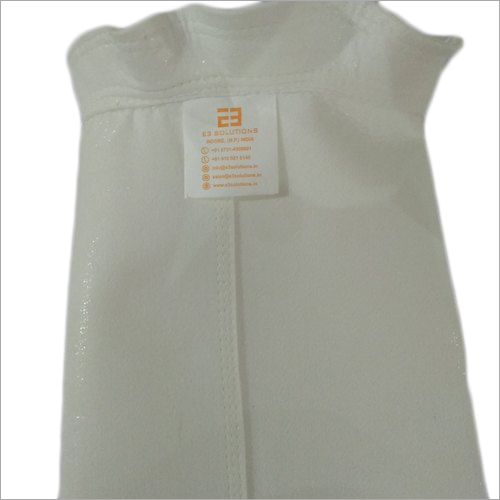
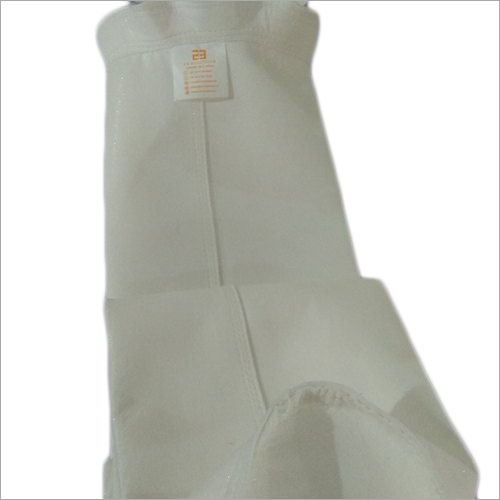
About Polyester Dust Collection Filter Bag
100% POLYESTER NON WOVEN NEEDLE FELT FABIRC, VIRGIN QUALITY, 55GMS/M2 WITH PTFE TREATMENT
Specification
|
Size
|
149x3660 mm long
|
|
Usage/Application
|
Dust Filter
|
FAQs:
Q: What is polyester filter bags ?
A: Polyester filter bags are used in dust collection systems to capture and filter particles from the air. They are commonly used in industrial settings, such as cement plants, power plants, and steel mills.
Q: What are the benefits of using polyester filter bags?
A: Benefits:
Durability:
Chemical resistance:
Cost-effectiveness:
Q: What are the different types of polyester filter bags?
A: There are several types of polyester filter bags
Monofilament
Multifilament
Needle felt
Laminated
Q: What is the micron rating of polyester filter bags?
A: The micron rating of a polyester filter bag refers to the size of particles it is able to capture. Polyester filter bags are available in a range of micron ratings, from 1 micron to 300 microns. The appropriate micron rating will depend on the specific application and the type of particles to be filtered.
High Filtration EfficiencyWith a 99% filtration efficiency, our Polyester Filter Bags ensure optimal removal of dust and particulates from industrial gases, safeguarding both the environment and your equipment. Engineered for precision, these bags provide dependable air purification in cement, steel, and power plants.
Durable Material and Custom SizingCrafted from premium microfiber, these non-woven filter bags offer excellent resistance and withstand continuous operation at high temperatures up to 150C. Available in custom sizes, they can be tailored to fit the specifications of your filtration system perfectly.
FAQ's of Polyester Filter Bag:
Q: How do Polyester Filter Bags improve air quality in industrial applications?
A: Polyester Filter Bags are designed to capture fine dust and airborne particulates in industries like cement, steel, and power plants. Their non-woven microfiber material allows them to filter out up to 99% of contaminants, significantly reducing air pollution and supporting a healthier work environment.
Q: What is the recommended process for installing these filter bags?
A: Installation involves fitting the customized polyester filter bag into the dust collector or filtration system. Ensure a proper seal at the bag's opening to prevent any bypass, and follow the manufacturer's guidelines for secure placement. Routine checks are advised to maintain filtration efficiency.
Q: When should these filter bags be replaced for optimal performance?
A: It is recommended to replace the polyester filter bags when there is a noticeable decrease in airflow or when filtration efficiency drops below required standards. Regular inspections and maintenance schedules help identify when a bag is nearing the end of its service life.
Q: Where can these filter bags be utilized effectively?
A: These filter bags are suited for use in cement manufacturing, steel production, and power generation facilities. Their ability to withstand high temperatures and filter fine particulate matter makes them versatile for various industrial air pollution control systems.
Q: What are the key benefits of using microfiber non-woven filter bags?
A: Microfiber non-woven filter bags offer high filtration efficiency, excellent resistance to wear and chemical exposure, and superior dust-capturing capabilities. Their structure ensures minimal pressure drop, long service life, and consistent protection for both workers and the environment.
Q: How does the customized sizing of these filter bags benefit industrial users?
A: Custom sizing allows these filter bags to fit seamlessly into existing or new filtration systems, maximizing filtration surface area and ensuring optimal system performance. This adaptability helps industries meet specific operational requirements efficiently.
Q: What maintenance is required to ensure the longevity of these filter bags?
A: Routine inspections for tears, clogging, or reduced airflow are recommended. Bags should be cleaned as directed or replaced promptly when showing significant wear. Proper maintenance extends the filter's lifespan and ensures sustained filtration efficiency.










 Send Inquiry

 Send Inquiry
